Endometrial Cancer (Uterine / Womb Cancer)

Endometrial cancer, also known as uterine or womb cancer, is a type of cancer that begins as growth of cells in the endometrium, or the lining of the uterus (womb). It is the most common gynaecological cancer in Singapore and other developed countries.

Endometrial cancer is distinct from cervical cancer (which begins in the cervix) and ovarian cancer (which begins in the ovaries).  The most common form is endometrioid adenocarcinoma, which accounts for the majority of cases and tends to be detected at an early stage when treatment is most effective. Less common — but more aggressive — subtypes include serous carcinoma, clear cell carcinoma, and carcinosarcoma.

Endometrial cancer often causes noticeable symptoms early in its course. As such, many women are diagnosed at an early stage — when treatment is most effective and outcomes are most favourable.

What Risk Factors increase the chances of Endometrial Cancer?

While endometrial cancer commonly affects women who have undergone menopause, it can occur at any age.

  • Unopposed oestrogen exposure: Oestrogen without adequate progesterone can cause the endometrial lining to thicken over time, increasing cancer risk. This may occur in women who are overweight, have polycystic ovary syndrome (PCOS), or have taken oestrogen-only hormone replacement therapy (HRT) without progesterone.
  • Obesity
  • Diabetes and metabolic syndromes
  • Late menopause or early onset of menstruation
  • Tamoxifen: used in the treatment of breast cancer
  • Family history or Lynch syndrome

What are the symptoms of Endometrial Cancer?

One of the features that distinguishes endometrial cancer from many other gynaecological cancers is that it often causes symptoms at an early stage, which can lead to earlier diagnosis and better outcomes.


The most important symptoms to be aware of are:

Abnormal uterine bleeding

  • Postmenopausal bleeding: Any vaginal bleeding after menopause is not normal and should be investigated promptly.
  • Heavy or prolonged bleeding: In women who are still menstruating.
  • Bleeding between periods

Other symptoms include:

  • An unusual or blood-stained vaginal discharge
  • Pelvic pain or pressure
  • Pain during sexual intercourse
  • Unexplained weight loss

How Is Endometrial Cancer Diagnosed?

If your doctor suspects endometrial cancer based on your symptoms or risk factors, they will arrange a series of investigations to evaluate more closely.

  • Pelvic examination: A physical examination of the pelvis to assess the uterus, ovaries, and surrounding structures.
  • Transvaginal ultrasound (TVUS): A small probe is gently inserted into the vagina to produce detailed images of the uterus. In postmenopausal women, a thickened endometrial lining  on ultrasound may prompt further investigation.
  • Endometrial biopsy: A thin tube is inserted through the cervix to obtain a small sample of endometrial tissue for laboratory analysis. This can usually be done in a clinic setting without general anaesthesia or sedation. Some women may experience menstrual-like cramping during and shortly after the procedure, as well as light spotting for a day or two after the procedure.
  • Hysteroscopy: A thin, lighted telescope (hysteroscope) is passed through the vagina and cervix into the uterus, allowing the doctor to directly visualise the endometrial lining and take targeted biopsies from any areas of concern.
  • Dilation and Curettage (D&C): A day procedure where the cervix is gently widened to allow a curette, a surgical instrument, to be inserted. The curette is then used to scrape the uterine lining to obtain samples for lab testing. This procedure is usually done under general anaesthesia or sedation, and is commonly a day surgery procedure.
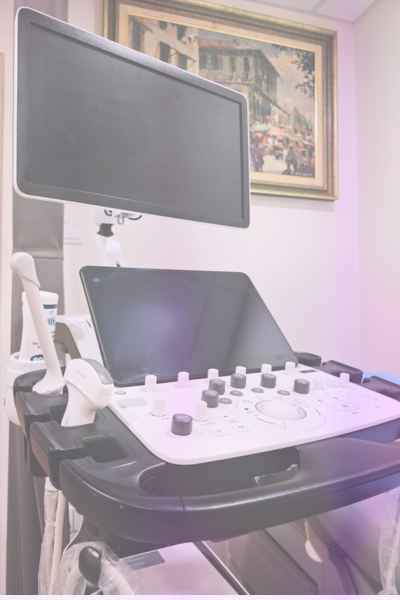
Transvaginal ultrasounds can be performed in the clinic.

Treatment for Endometrial Cancer

Treatment for endometrial cancer depends on the stage and type of cancer, your overall health, and your preferences, including whether fertility preservation is a consideration.

Surgery

Surgery is the primary treatment for most women with endometrial cancer.

Hysterectomy: The standard procedure is a total hysterectomy — the removal of the uterus and cervix — along with the removal of the fallopian tubes and ovaries (bilateral salpingo-oophorectomy).

Removing the ovaries eliminates a source of oestrogen, which can help reduce the risk of recurrence and eliminate the risk of ovarian cancer.

In pre-menopausal women, removing the ovaries will result in surgical menopause.Many hysterectomies for endometrial cancer are now performed using minimally invasive techniques offering many benefits as compared to traditional surgery.

Lymph nodes in the pelvis and, in some cases, around the aorta, may also be removed (sentinel lymph node biopsy or lymph node dissection) to determine whether cancer has spread beyond the uterus.

Fertility sparing management with hormonal treatment may be considered as an alternative to surgery in carefully selected cases for women who meet the eligibility criteria and wish to preserve their fertility.

Radiotherapy

Radiotherapy uses high-energy radiation to destroy cancer cells and is used in endometrial cancer in several ways:

  • Brachytherapy (internal radiotherapy): A small device is placed inside the vagina to deliver radiation directly to the vaginal vault. This is commonly used after surgery to reduce the risk of recurrence at the top of the vagina.
  • External beam radiotherapy: Radiation is directed at the pelvis from outside the body and is used when there is a higher risk of cancer cells being present in the pelvis.

Chemotherapy

Chemotherapy may be recommended for women with more advanced or high-risk endometrial cancer, either alone or in combination with radiotherapy. It is also used when cancer has spread beyond the uterus or when there is a higher risk of recurrence.

Hormonal Therapy

Since some endometrial cancers are sensitive to hormones, hormonal therapy — using progestogens or other hormone-based medications — may be used in certain situations. This includes women with low-grade, early-stage disease who wish to preserve fertility, or those whose cancer has returned or spread and who are not suitable for other treatments.

Immunotherapy and Targeted Therapy

Immunotherapy — which works by helping the body’s own immune system recognise and attack cancer cells — has emerged as an important treatment option for certain types of endometrial cancer, particularly those with mismatch repair deficiency (dMMR) or microsatellite instability-high (MSI-H). These therapies are increasingly used in advanced or recurrent disease and have shown promising results.

Support for Patients with Endometrial Cancer

Being diagnosed with cancer is a stressful life event, and seeking treatment is an emotional and physically demanding journey, for the patient and their loved ones. At Gynae Onco Partners, we hope to provide a safe space and a community for patients and their caregivers through our Gynaecologic Cancer Support Group. 

The above information is intended for educational purposes only and does not constitute medical advice. Always consult a qualified healthcare professional for diagnosis and treatment.
Scroll to Top