

Minimally Invasive Gynaecological Surgery
If your gynaecologist has recommended surgery, one of the choices you may be presented with is whether to opt for traditional open surgery or minimally invasive surgery. What is minimally invasive surgery, what procedures can be done using this method, and why should you opt for it?
What is Minimally Invasive Gynaecological Surgery?
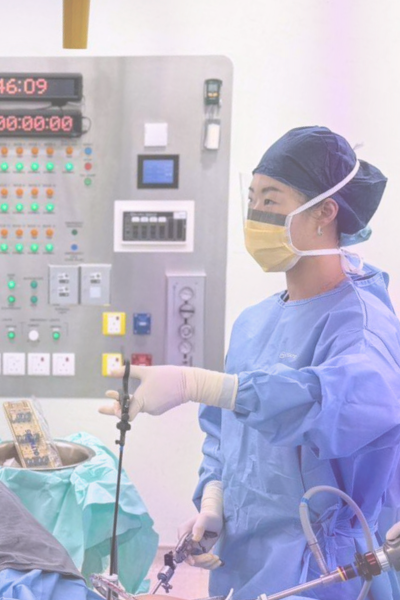
Minimally invasive gynaecological surgery refers to surgical procedures performed through very small incisions using specialised instruments and a camera system. Rather than opening the abdomen with a large cut, the surgeon uses specialised instruments and a tiny camera, called a laparoscope, to operate with exceptional precision.
For many women, minimally invasive surgery offers a safer and more comfortable alternative to traditional open surgery.
The main types of minimally invasive gynaecological surgery include:
Laparoscopic surgery
(keyhole surgery)
Laparoscopy is the most widely performed form of minimally invasive gynaecological surgery. Laparoscopies can be diagnostic, where the procedure is done to investigate and diagnose a condition, or therapeutic, where one or more small cuts are made to insert instruments to perform surgery. The surgeon makes two to four small cuts in total — typically 0.5 to 1 cm — near the umbilical region and lower abdomen. A laparoscope (a thin tube with a light and camera) is inserted through one incision, while fine surgical instruments are passed through the others. The abdomen is gently inflated with carbon dioxide gas to create space and improve visibility.
Hysteroscopic surgery
Hysteroscopy involves inserting a thin, lighted telescope (hysteroscope) through the vagina and cervix into the uterus — with no external incisions. It allows the surgeon to directly access the inside of the uterus and treat abnormalities such as polyps, fibroids (submucosal), uterine septum, and scar tissue (Asherman’s syndrome). Hysteroscopy is also used to investigate unexplained heavy periods, abnormal bleeding, and recurrent miscarriage.
Robotic-assisted surgery
Some complex procedures may be performed using robotic surgical systems such as the Da Vinci System, where the surgeon controls robotic arms from a console. The system provides greater range of motion, allowing the surgeon to access areas that may be difficult to reach or areas with 3D magnified views. This method is typically used for complex procedures.
What conditions can be treated with Laparoscopic Gynaecological Surgery?
Minimally invasive techniques are used to treat a wide range of gynaecological conditions, including:
- Heavy menstrual bleeding — endometrial ablation or hysteroscopic resection
- Uterine polyps — hysteroscopic removal of polyps
- Fertility sparing management of endometrial cancer – transcervical hysteroscopic resection of endometrial cancer
- Gynaecological cancers — surgical staging and treatment of uterine, cervical and ovarian cancer
- Uterine fibroids — myomectomy to remove fibroids while preserving the uterus
- Ovarian cysts — drainage or removal of benign or suspicious cysts
- Endometriosis — removal or ablation of endometrial tissue growing outside the uterus
- Hysterectomy — removal of the uterus
- Ectopic pregnancy — removal of a pregnancy located outside the uterus
Does Minimally Invasive Surgery mean that it is a minor operation?
No, “minimally invasive” does not mean “minor.” Minimally invasive describes how the surgeon gets in — not how serious the procedure is. Aside from the size of the incisions made, the nature of what is performed is similar to that of a traditional open surgery.
For example, removal of a cancerous tumor, or the entire uterus can be done through traditional open surgery or laparoscopy. Patients undergoing minimally invasive surgery still require general anesthesia, a skilled surgical team, and careful post-operative monitoring.
What to expect, before, during and after Minimally Invasive Surgery
Before the Procedure
Before surgery, patients will usually undergo:
- A consultation with a gynaecologist
- Imaging tests such as ultrasound or MRI
- Blood tests and preoperative assessment
The medical team will ask about your medical history, current medications, and allergies. You will also receive specific instructions about fasting before surgery and any medications to stop temporarily. Your doctor will explain the recommended procedure, potential risks and expected recovery.
During Surgery
Most minimally invasive procedures are performed under general anaesthesia. Small incisions are made in the abdomen or access is gained through the vagina, depending on the type of surgery. A camera and specialised instruments are then used to perform the operation. The duration of surgery can range from under 30 minutes to several hours, depending on the complexity of the procedure.
After Surgery
- Some wound discomfort, abdominal pain or slight amounts of vaginal bleeding / bloody discharge is normal after surgery.
- Pain should be manageable with oral painkillers by the time you are discharged, and your doctor may also prescribe antibiotics if necessary.
- A urine catheter tube may be inserted into the bladder, and removed when deemed suitable by your doctor, to allow draining and monitoring of your urine output.
- Drains (tubes that are placed into your abdominal cavity during surgery to allow fluid to drain out) may also be inserted and removed when deemed suitable by your doctor.
Most patients can return home on the same day or within 2-3 days, depending on the procedure. You should be able to walk, eat and perform light activities when you are discharged. Avoidance of strenuous activity is advised for the initial recovery period.
Is Minimally Invasive Surgery suitable for everyone?
While minimally invasive techniques are suitable for the vast majority of gynaecological conditions, they are not appropriate in every case.
Factors that influence surgical options include:
- The size and location of fibroids or cysts
- The severity of endometriosis
- Previous abdominal surgeries
- Overall health and medical history
Your specialist will discuss all of your options transparently so you can make a fully-informed decision about your care.
Choosing a surgeon
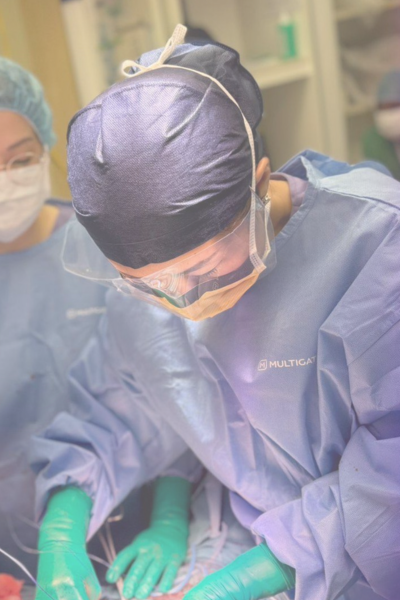
The success of minimally invasive surgery depends greatly on the experience and expertise of the surgeon.
Specialists trained in advanced laparoscopic and hysteroscopic techniques are able to perform complex procedures safely while minimising risks.
A personalised consultation allows patients to discuss symptoms, treatment goals and available surgical options.